
The Identity Shift: Who Am I Becoming? When Life Transitions Shake Our Sense of Identity
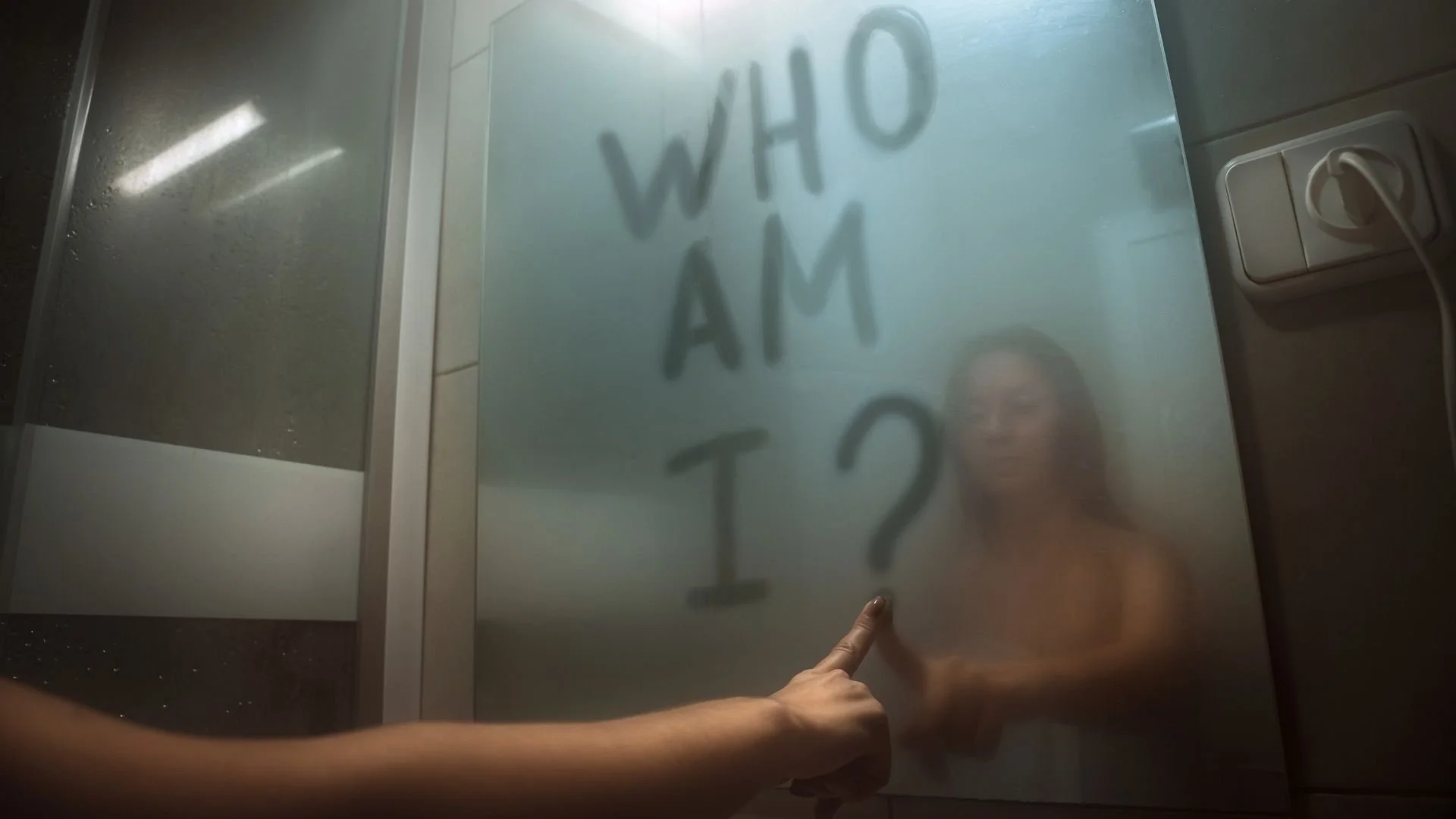
Major life transitions have a way of shaking us to our core. They disrupt the familiar rhythms of our lives and, in doing so, often force us to confront a fundamental question: Who am I now?
When the roles that defined us shift—when a career ends, when children leave home, when a relationship changes—we can feel untethered. The identity we had built, often over decades, no longer fits. And in that space between the old self and the new, there is often grief, confusion, and a profound sense of loss.
But there is also possibility. Because in the dismantling of an old identity lies the opportunity to discover who you are becoming.
This post explores the identity shifts that accompany major life transitions. We will look at four types of transitions—anticipated, unanticipated, nonevent, and sleeper—and the unique identity challenges each presents.
Understanding Identity in Transition
Identity is not a fixed destination. It is a living, evolving process. As the Public Health Agency of Canada notes, "Our identities are shaped by many factors—including our relationships, our work, our culture, and our life experiences". When these factors change, so do we.
Psychologist and transition expert Dr. Nancy Schlossberg describes transitions as events that alter our roles, routines, and relationships. When a transition is significant enough, it can lead to an "identity crisis"—a period of questioning who we are and what we want . But this crisis, while uncomfortable, can also be a gateway to growth. It is an invitation to let go of old versions of ourselves and make space for who we are becoming.
Four Types of Life Transitions
In counselling psychology, transitions are often categorized into four types, based on the work of adult development scholar Sharan Merriam. Understanding these categories can help us make sense of our own experiences.
Anticipated Transitions
These are changes we see coming and often prepare for. They are expected and predictable, such as graduating from school, starting a new job, getting married, or retiring. While anticipated, they can still be emotionally complex and involve significant identity shifts.
Scenario: The Police Officer Who Retires
For 25 years, David identified as a police officer. It was not just his job; it was his identity, his community, and his purpose. He had planned for retirement, but when it came, he was unprepared for the emotional impact. Without his badge, he felt invisible. He missed the camaraderie, the structure, and the sense of meaning that came with serving his community. His identity crisis was a shock—even though he had seen it coming.
Finding a Way Forward: David slowly built a new identity. He began by asking himself: "What matters most to me?" He started volunteering at a local youth program, reconnecting with an old passion for mentoring. He also took up painting—a hobby he had abandoned decades ago. Through these small acts, he discovered that his identity was not limited to his career; it was rooted in his values of service and connection. He is still David, just in a different role.
Unanticipated Transitions
These are changes that are unexpected and often disruptive. They can include a sudden job loss, a health diagnosis, the death of a loved one, or a relationship ending without warning. Unanticipated transitions often trigger a more acute identity crisis because there has been no time to prepare.
Scenario: The Woman Who Identified as a Mother
For 25 years, Elena's identity was wrapped up in being a mother. She had built her life around her children's schedules, needs, and activities. When her youngest left for university, she felt a profound, disorienting emptiness. Her role as a "full-time mom" was suddenly gone, and she was left asking, "Who am I now?" She had not anticipated the depth of her grief, feeling guilty for being sad when she was "supposed to be happy" for her child .
Finding a Way Forward: Elena's journey was about moving from a role-based identity to a more integrated sense of self. She began by giving herself permission to grieve—not just for her children's departure, but for the loss of her identity. She started small: a pottery class, a book club, and eventually, a part-time job at a local library. She discovered a part of herself that had been dormant for years. As she shared with a friend, "I'm more than just a mom. I'm also Elena." She is still a mother, but she is also a woman, an artist, and a community member. She allowed herself to evolve.
Nonevent Transitions
These are transitions that we expect to happen but that do not. They can be just as disorienting as unanticipated changes. A promotion that never comes, a pregnancy that does not happen, a marriage proposal that never arrives—these nonevents can leave us feeling stuck and questioning our path.
Scenario: The Adult Children Who Become the "Sandwich Generation"
When Maria and her brother, Carlos, expected to have more support from extended family as their parents aged, they found themselves facing a nonevent. The help never materialized. Instead, they became the "sandwich generation"—caught between caring for their aging parents and their own growing children. Their identity as "caregivers" was thrust upon them in a way they had not anticipated.
Finding a Way Forward: Maria and Carlos had to embrace a new identity. They renegotiated their roles, both with their parents and their own children. They reached out to local resources, such as the Canadian Centre for Caregiving Excellence and their city's Seniors Services, which offered workshops on navigating the "sandwich generation" role. They also created a new family culture, holding regular family meetings where everyone's needs and boundaries were openly discussed. They discovered that their identity was not just about "being a good child" or "being a good parent," but about being part of a resilient, adaptive family unit. They set boundaries and learned to ask for help, building a new support network that was not rooted in expectations but in reality.
Sleeper Transitions
Sleeper transitions are changes that occur slowly, almost imperceptibly, over time. We may not even recognize them as transitions until we look back and see how much has shifted. They can involve gradual changes in a relationship, a slow loss of passion for a career, or a growing sense of dissatisfaction.
Scenario: The Woman Who Always Felt Needed, and Finally Chose Herself
For 40 years, Anita was the person everyone turned to. The dutiful daughter, the supportive wife, the dependable colleague, the friend who always said "yes." Her identity was woven from the needs of others. It felt safe and familiar, even as it drained her. Her transition was not a single event but a slow sleeper transition—a quiet, growing dissatisfaction that she had buried for decades. She had always felt that if she were not needed, she would not be loved.
Finding a Way Forward: Anita's journey toward a new identity began with a single, powerful recognition: "I don't have to be everything to everyone." She started by setting a small boundary, then another. She began to ask herself, "What do I want?" She explored her own interests—music, gardening, travel—that she had put aside for years. She sought counseling to understand the roots of her people-pleasing. Her identity shifted from being defined by others' needs to being defined by her own values, passions, and desires. She learned that living on her own terms was not selfish; it was the foundation of a fulfilling life.
Common Themes in Identity Transitions
Across these scenarios, several themes emerge. Understanding them can help you navigate your own identity shifts.
Grief is a normal part of transition. Letting go of an old identity, even one we have outgrown, involves loss. It is okay to mourn the roles, routines, and relationships that defined you.
Building a new identity takes time. There is no rush to have it all figured out. Each small step—a new hobby, a new connection, a new way of thinking—is a brick in the foundation of your new self.
Identity is not singular. We are not just one thing. You can be a mother and an artist, a former police officer and a community volunteer, a caregiver and a person with your own needs. Embrace the complexity.
Connection is key. Isolation deepens the identity crisis. Reaching out to others—friends, family, support groups, or a therapist—can help you feel less alone and provide new perspectives.
Self-compassion is essential. It is okay to feel lost. It is okay to not know who you are becoming. As psychologist Dr. Jean Twenge notes, "the transition to adulthood is happening later and later" . Be patient with yourself.
A Final Thought: Who Are You Becoming?
The question is not, "Who am I?" It is, "Who am I becoming?" Identity is not a fixed destination; it is a process, a journey, and a life-long evolution. As you navigate your own transitions, give yourself permission to let go of the old versions of yourself with gratitude and to make space for the new ones with curiosity and compassion.
You are not losing yourself. You are growing into who you are meant to be.
Whatever it is, we’re here for you.
Life is uncertain. Jobs are stressful. Parenting is hard. Relationships take work. Families can be dysfunctional. And sometimes, love hurts. When you’re confronted by feelings, events, or issues that are making your life challenging, it’s okay to ask for some help.
REFERENCE SOURCES:
Government of Canada Life changes experienced by older adults
Psychology Today What’s Next? Navigating Life Transitions
Psychology Today Adopting a New Identity After Reaching a Goal
Psychology Today How to Avert an Identity Crisis
Psychology Today Reclaiming Identity After the Kids Leave
