
The Nurturing Power of Nature
How the Outdoors Can Transform Your Mental Health
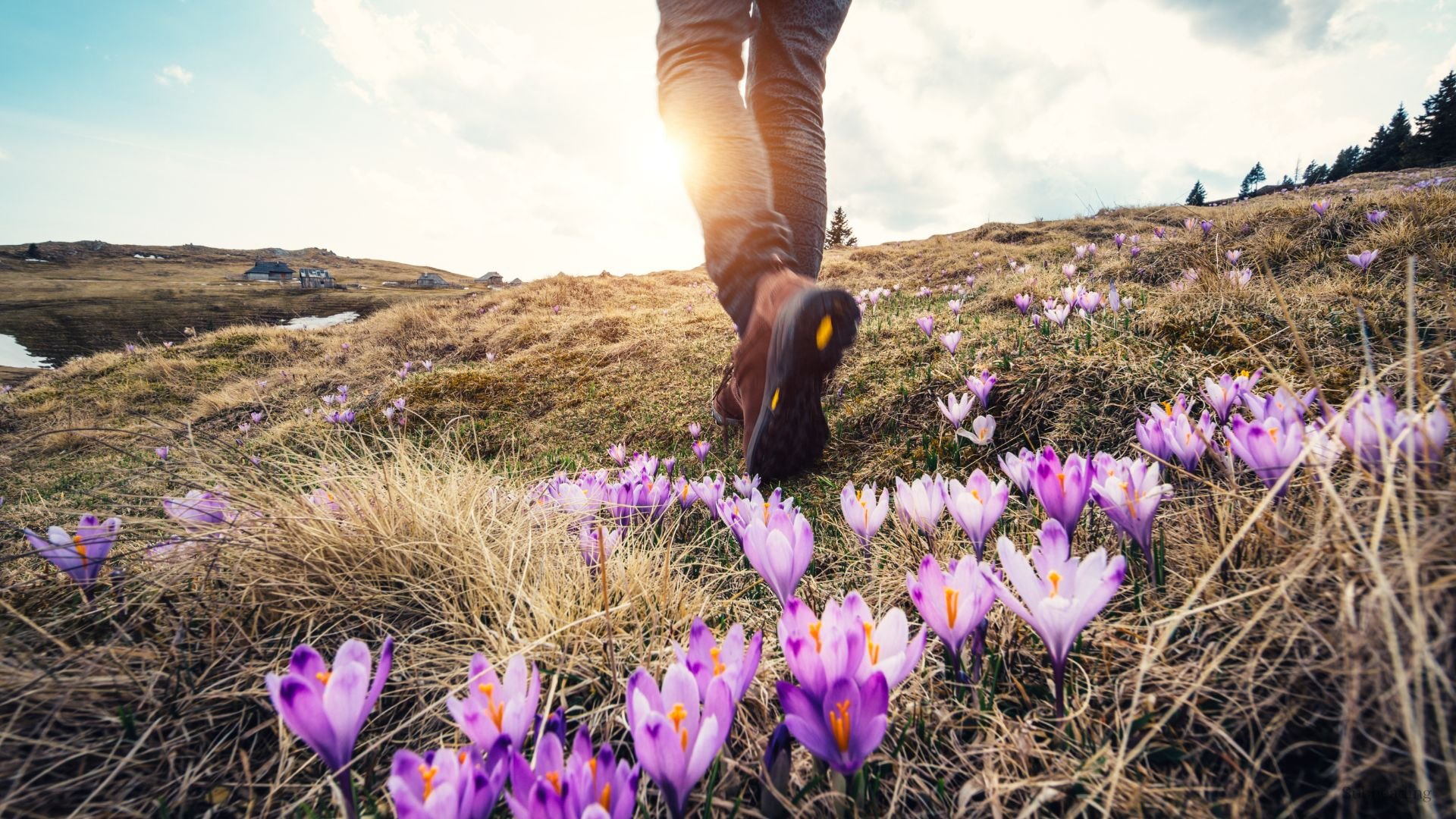
In our increasingly digital, fast-paced world, the simple act of stepping outside might be one of the most powerful tools we have for protecting our mental well-being.
From the calming rustle of leaves to the vast stillness of a lake, nature offers something that urban environments often cannot: a sanctuary for our overworked minds. Research in environmental psychology consistently shows that exposure to nature isn't just a pleasant experience—it's a potent, accessible intervention for improving cognitive function, regulating emotions, and building resilience against stress. Let's explore the science behind nature's healing power and how you can easily incorporate more of it into your daily life.
The Science of Nature’s Benefits
The connection between natural environments and mental health is well-documented. Studies have shown that simply being in or looking at nature can have a profound impact on our psychological state, improving everything from our attention span to our social connections.
Restoring Our Limited Attention
Our ability to focus is a finite resource that gets depleted throughout the day—a phenomenon known as "attention fatigue." Nature has a unique ability to restore this capacity. Unlike the constant, demanding stimuli of city life (traffic, notifications, advertisements), natural environments gently engage our attention, allowing our directed focus to replenish. This restorative effect is so powerful that research shows exposure to nature can even reduce symptoms of Attention-Deficit/Hyperactivity Disorder (ADHD).
Elevating Mood and Reducing Distress
Struggling with low mood or depression? Spending time in green spaces has been shown to significantly improve mood and increase feelings of happiness. The effect is tangible; studies have found that interacting with nature can lead to measurable improvements in depressive symptoms. It helps pull us out of negative thought cycles and offers a mental "reset."
Calming Stress and Anxiety
One of nature's most immediate gifts is its ability to soothe an overactive nervous system. Time outdoors reduces physiological markers of stress, lowering heart rate and cortisol levels. It helps us feel calmer, more relaxed, and less irritable. By calming our bodies, nature also helps us regulate our emotions and impulses more effectively.
Fostering Social Connection
Interestingly, nature doesn't just improve our relationship with ourselves; it enhances our relationships with others. Exposure to natural settings tends to increase feelings of generosity, cooperation, and social connection. A walk in the park with a friend, or even just sharing a green space with neighbours, can strengthen community bonds and reduce feelings of isolation.
Nature vs. City: A Tale of Two Environments
The contrast between natural and urban settings is stark when viewed through the lens of mental health. Statistics indicate that mental disorders can be significantly more prevalent in densely populated urban areas compared to rural communities. Mood disorders like depression are notably more common, and the rates for anxiety and schizophrenia are also elevated.
Researchers hypothesize that the chronic, low-level stress of city living—from frustrating commutes to social pressures—can trigger distress, particularly in those already vulnerable. Furthermore, the lack of restorative natural spaces may allow for harmful patterns to take hold.
One such pattern is rumination, the tendency to get stuck in a cycle of negative thoughts about oneself and one's problems. This excessive self-focus is a known pathway to depression. A fascinating study by Stanford University put this theory to the test. Researchers asked participants to take a 90-minute walk—some through a busy cityscape, others along a peaceful nature path. They measured blood flow in the subgenual prefrontal cortex (sgPFC) , a brain region highly active during rumination. The result? Those who walked in nature showed significantly lower sgPFC activity and reported fewer ruminative thoughts compared to the city walkers. The calming sights and sounds of the natural environment effectively quieted the brain's negative thought loop.
What Exactly Counts as “Nature”?
The good news is that "nature" is wonderfully inclusive. It encompasses everything from vast oceans and dense forests to your local park, a community garden, or even a single potted plant.
You can experience nature in many ways:
Spending time outdoors in a natural environment (the most effective method).
Looking at a natural view from a window.
Bringing nature indoors with houseplants or fresh flowers.
Looking at photographs, videos, or artwork depicting nature.
Listening to recordings of natural sounds, like birdsong or ocean waves.
While the greatest benefits come from being physically present in nature, all of these methods can contribute to a greater sense of well-being.
How Much Nature Do You Need?
You don't need to plan a week-long wilderness retreat to reap the benefits. The research is encouraging: even small doses make a difference.
For an instant boost: As little as 1 to 10 minutes of nature exposure can sharpen your attention, improve your mood, and reduce feelings of stress.
For optimal stress reduction: Aim for at least 20 minutes in a natural setting. This "dose" has been shown to be ideal for significantly lowering stress hormones like cortisol.
For overall health and well-being: Strive for a total of two hours per week. Studies link this amount of accumulated nature time with better overall health and a stronger sense of well-being.
Simple Ways to Add More Nature to Your Life
Integrating nature into your routine should feel like a joy, not a chore. Focus on activities you naturally enjoy. Start small, be consistent, and consider scheduling "nature time" just as you would any other important appointment.
Here are some easy and effective ideas to get you started:
Take a walk in your local park or a green neighborhood.
Sit by a lake, river, or pond and simply listen to the water.
As you travel to work or school, consciously notice the trees, flowers, birds, and sky around you.
Pay attention to the changing seasons—the feel of the air, the light, the smells.
Enjoy your morning coffee on a porch or by a window with a view of nature.
Add plants to the indoor spaces where you spend the most time, like your home office or living room.
Open your curtains wide to let in natural light.
Take a dog for a walk (your own or a friend's).
Meet a friend for a catch-up outdoors instead of in a café.
Listen to a nature sounds playlist while you work or try to fall asleep.
If you are unable to go outside, watch a nature documentary or look at nature photography online.
You can also combine nature time with other healthy behaviours for an even greater impact, such as exercising outdoors (a "green workout") or socializing with a friend on a trail.
Nature as a Prescription
The evidence for nature's mental health benefits is so strong that some healthcare professionals are now formally prescribing it. PaRx, Canada's first national, evidence-based nature prescription program, was created to support this initiative. If you're interested in exploring how nature can be part of a broader mental health plan, speaking with a mental health professional can be an excellent next step. They can help you integrate this powerful tool with other strategies tailored to your unique needs and goals by:
Explaining how nature exposure can specifically help with your symptoms.
Helping you create a realistic, personalized plan to spend more time outdoors.
Supporting you in staying consistent and overcoming any barriers.
Monitoring how this practice is influencing your overall mental well-being.
A Simple, Accessible Path to Wellness
Nature offers a powerful, accessible, and cost-free way to support your mental health. Whether it's a few minutes of mindful observation or a weekly two-hour hike, the key is to intentionally build a connection with the natural world. In doing so, you not only nurture your own mind but also cultivate a deeper appreciation for the environment that sustains us all. So, step outside, take a deep breath, and let nature do its restorative work.
Whatever it is, we’re here for you.
Life is uncertain. Jobs are stressful. Parenting is hard. Relationships take work. Families can be dysfunctional. And sometimes, love hurts. When you’re confronted by feelings, events, or issues that are making your life challenging, it’s okay to ask for some help.
REFERENCES:
Canadian Psychological Association “Psychology Works” Fact Sheet: Benefits of Nature Exposure
Ontario Psychological Association The Impact of Nature on Mental Health
CAMH Nature can have a nurturing effect on your mental health
