
Spring Cleaning for the Mind: Refreshing Your Mental Health
How to Clear the Clutter from Your Mind
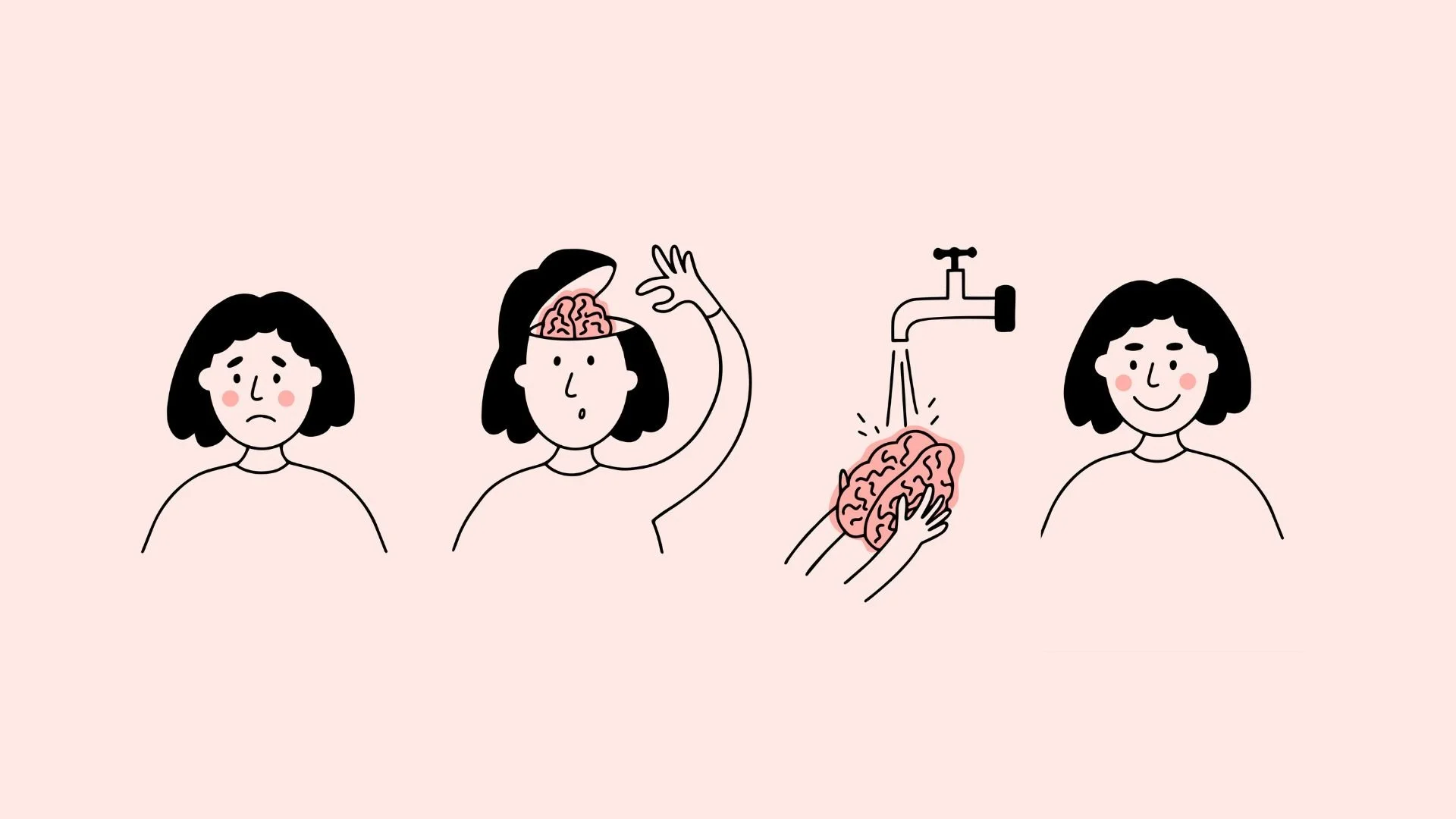
Our minds accumulate clutter just as our homes do.
As the first buds push through thawing soil and sunlight lingers a little longer each day, we feel it instinctively: a pull toward renewal. We open windows to let stale air escape. We sort through closets, donate what no longer fits, and wipe away the dust that settled over winter. This ritual of spring cleaning extends naturally to the spaces we inhabit physically—but what about the spaces we inhabit internally?
Our minds accumulate clutter just as our homes do. Outdated beliefs that once protected us now weigh us down. Lingering resentments take up space better used for peace. Unhealthy thought patterns loop endlessly, like a record stuck on the same scratch. Digital noise fills our hours with information that neither nourishes nor serves us. Over time, this mental clutter crowds out the clarity, calm, and intention we need to thrive.
This April, as part of our "Hello Spring" series on refreshing your mental health, we invite you to consider: what might shift if you cleared out the corners of your mind with the same care you give to your home?
What is Mental Clutter?
Mental clutter is the accumulation of thoughts, beliefs, worries, and distractions that occupy your cognitive and emotional space without contributing to your well-being. It's the mental equivalent of a junk drawer: things that were once useful, things you've been meaning to sort, things you forgot you even had—all crammed together, making it difficult to find what you truly need.
Common forms of mental clutter include:
Outdated beliefs: "I must be perfect to be loved." "I can't ask for help." "I should have figured this out by now."
Lingering resentments: Old hurts you revisit, conversations you replay, grudges you carry.
Unhealthy thought patterns: Catastrophizing, overthinking, self-criticism, rumination.
Digital noise: Endless notifications, toxic social media feeds, information overload.
Unfinished mental tasks: Promises you made to yourself and haven't kept, decisions you've postponed, conversations you've avoided.
The Mental Health Cost of Clutter
Research increasingly confirms what many of us already sense: a cluttered mind contributes to a cluttered life.
Mental clutter has been linked to:
Increased stress and anxiety
Difficulty concentrating and making decisions
Poor sleep quality
Reduced capacity for joy and presence
Feeling "stuck" or overwhelmed
When our mental space is crowded, we have less room for what matters. Creativity struggles to emerge. Calm feels elusive. Intention gets buried under reactivity. In contrast, creating mental clarity—through intentional practices of release—can lower cortisol, improve cognitive function, and restore a sense of agency and peace.
The Parallel Between Physical and Mental Decluttering
There's a reason we feel lighter after clearing out a closet. The act of sorting, deciding, and letting go of physical objects mirrors the internal work of releasing what no longer serves us. Both require similar skills: discernment, courage, and trust in what comes next.
Sorting: Just as you might pull everything out of a cluttered drawer to see what you're working with, mental decluttering begins with awareness. You can't release what you haven't noticed.
Deciding: In physical decluttering, you ask: Does this serve my life? Bring me joy? Fit who I am now? The same questions apply to thoughts, beliefs, and habits.
Letting go: The hardest part. We hold onto things—physical and mental—out of guilt ("I should keep this"), fear ("What if I need it?"), or inertia. Letting go requires trust that what remains is enough.
Organizing: Once you've cleared space, you can intentionally organize what's left, creating systems that support rather than overwhelm.
Practical Exercises for Mental Spring Cleaning
This week, try incorporating one or more of these exercises into your routine. Choose what resonates, and remember: this is not about perfection or doing it all at once. Spring cleaning happens in layers.
1. The Mental Inventory
Set aside 15 minutes with a journal or a blank document. Without editing, write down:
Beliefs you hold about yourself that may no longer be true
Worries that occupy your mind regularly
Grudges or resentments you're carrying
Unfinished tasks that weigh on you
Digital habits that drain your energy
Don't judge what comes up. Simply name it. Awareness is the first step.
2. The "Does This Serve Me?" Practice
Over the next few days, when you notice a recurring thought, ask yourself gently: Does this thought serve me? If the answer is no, practice offering it permission to go. You might imagine writing it on a leaf and watching it float down a stream, or placing it in a box and closing the lid.
This isn't about suppressing difficult emotions. Some thoughts—grief, legitimate concern, necessary planning—do serve us. The practice is about discerning between what's useful and what's just taking up space.
3. The Forgiveness Letter (Unsent)
If you're carrying a resentment, consider writing a letter you will never send. Pour out everything: the hurt, the anger, the story you've been replaying. Then, write what you're ready to release. Finally, write what you're choosing to keep: your peace, your energy, your future. When you're finished, tear it up, burn it, or let it go in whatever way feels meaningful.
4. The Digital Declutter
Choose one digital space to clear this week:
Unfollow or mute social media accounts that leave you feeling anxious, inadequate, or angry
Delete apps you haven't used in months
Unsubscribe from email lists that clutter your inbox without adding value
Set one boundary around technology, such as no phones during meals or a digital sunset an hour before bed
5. The "What Am I Holding?" Body Scan
Find a comfortable seated position. Close your eyes and bring your attention to your body. Where do you feel tension? Tightness? Heaviness? Without trying to change anything, simply notice. Ask each area: What are you holding? You may not get a verbal answer, but sometimes the body releases simply when we pay attention.
6. The Intention Setting
After clearing space, consider what you want to invite in. What intention do you want to guide this season of renewal? Keep it simple. One word. One sentence. For example: ease. presence. I choose to make space for calm.
Write it somewhere you'll see it—a sticky note, your phone's lock screen, the mirror.
What to Expect When You Declutter Your Mind
Mental decluttering is not a one-time event. It's a practice. You may notice:
In the short term: A sense of lightness. More mental space. Clarity about what matters.
In moments of resistance: Old thoughts may return, sometimes loudly. This is normal. You're rewiring patterns. Gently return to your practice.
Over time: Greater capacity for presence. More energy for what you value. A growing sense that you are not defined by your thoughts—you are the one who chooses which thoughts to water and which to let go.
A Gentle Reminder
You didn't accumulate mental clutter overnight, and you won't clear it all in a week. That's not the goal. The goal is to begin. To notice. To give yourself permission to release what no longer fits the person you're becoming.
This April, as the earth softens and light returns, consider what in your mind is ready to be cleared. What outdated belief can you loosen? What resentment can you set down? What digital noise can you turn off? What space are you making for clarity, calm, and intention?
You deserve to move through this season with less weight and more room to breathe.
Letting go is not losing something. It is making space for something new.
Whatever it is, we’re here for you.
Life is uncertain. Jobs are stressful. Parenting is hard. Relationships take work. Families can be dysfunctional. And sometimes, love hurts. When you’re confronted by feelings, events, or issues that are making your life challenging, it’s okay to ask for some help.
