
Setting Summer Boundaries: How to Protect Your Peace This Season
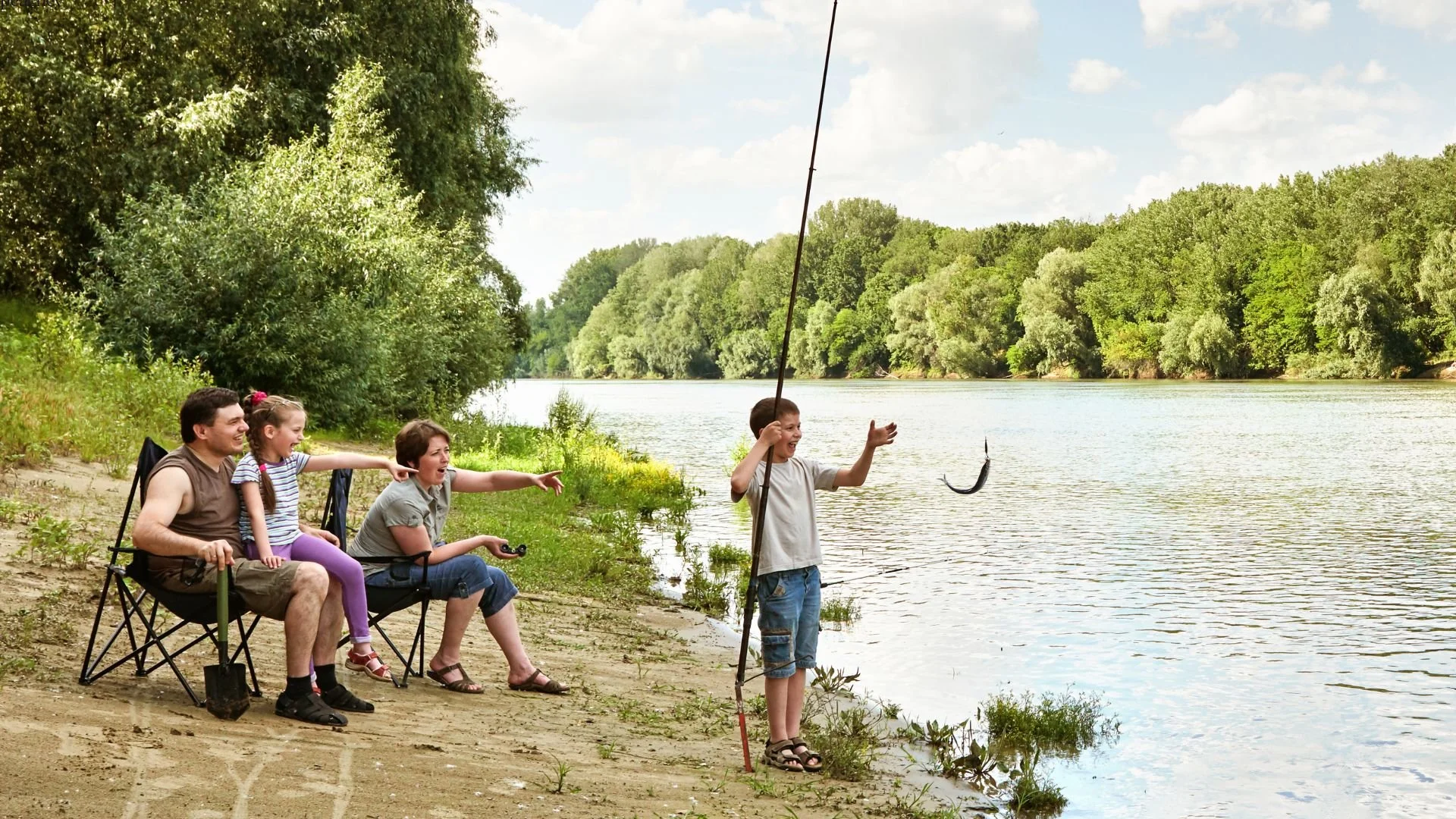
Summer often arrives with an underlying promise of rest, fun, and connection. The days grow longer, the pace can feel lighter, and there is an unspoken pressure to "make the most of it."
But for many of us, summer can bring the opposite of rest. Overbooked calendars, family obligations, late-night social events, and the anxiety of not doing enough can leave you feeling more overwhelmed than refreshed. The pressure to say yes to every invitation, accommodate every family request, and be constantly available can drain the very energy summer is meant to restore.
If this sounds familiar, it might be time to explore one of the most powerful self-care tools available: setting healthy boundaries. Protecting your time, space, and energy is not selfish; it is essential for your mental health.
Why Summer Can Be a Challenge for Boundaries
While summer is associated with freedom, it can also highlight blurred or non-existent boundaries.
You may notice:
Difficulty saying no to invitations or commitments, even when you are exhausted
Guilt around needing alone time or rest when others seem to be socializing
Pressure to accommodate family, friends, or partners at the expense of your own well-being
Anxiety about not "doing enough," not being "social enough," or not creating the "perfect" summer experience
Without clear boundaries, summer can feel like a marathon instead of a reset. The very season meant for restoration becomes another source of stress.
What Are Healthy Boundaries?
At their core, boundaries are the limits you set to protect your emotional, mental, and physical space. They are the way you say: This is what I need. This is what I can offer. This is what is okay and what is not.
Boundaries are not walls meant to keep people out. They are not harsh or punitive. As one expert explains, "Boundaries are how we take care of ourselves. It's self-care." They help you honour your time and energy, protect your values, communicate honestly, build stronger relationships, and stick to your own goals and priorities.
Boundaries can be broken down into several types:
Time boundaries refer to how you manage your schedule and availability. They involve setting limits around your time to protect your energy and avoid overcommitment.
Emotional boundaries help protect your feelings and regulate how much emotional energy you give or take on from others. They are essential for maintaining your own well-being.
Interpersonal boundaries define how others are allowed to treat you. They help maintain respect, safety, and balance in all types of relationships.
Setting Boundaries is the Ultimate Self-Care
We often think of self-care as spa treatments, vacations, or expensive indulgences. These experiences can be nourishing, but their impact is often short-lived. Within days, we are back to the status quo, minus some money in the bank.
True, sustainable self-care begins with boundaries. As one therapist writes, "Boundaries are our best friends when it comes to self-care. We find we need fewer big self-care splurges when our day-to-day lives are suited to what's most healthy for our bodies and minds."
When you are energetically drained, the problem is often poor boundaries, not the need for a pricey getaway. The stress and frustration that builds when you do not set and hold healthy limits cannot be resolved by a vacation. The feeling of being resentful or burnt out is a sign that you have some boundary work to do.
Common Summer Scenarios That Call for Boundaries
Summer brings unique opportunities to practice boundary-setting. Here are some common scenarios and gentle scripts to help you navigate them:
When You Are Too Tired to Go Out
The pressure to say yes to social plans can be immense, especially in summer. But you are allowed to protect your rest. Try saying: "I've had a full week and need some downtime. Let's reconnect another day."
When Someone Makes Last-Minute Plans
Not everyone has a spontaneous schedule. It is okay to need notice and planning. Try saying: "Thanks for the invite, but I need more notice to say yes to plans. Let's try again soon."
When Family Pressures You to Stay Longer or Do More
Family visits can be wonderful and exhausting. You are allowed to set limits around your time and energy. Try saying: "I value our time together, and I also need some time for myself during this visit."
When a Friend Is Emotionally Draining
You can care about someone and still need space from their constant need for support. Try saying: "I care about you, but I don't have the capacity for a deep conversation right now. Can we chat tomorrow?"
When You Are Invited to Something You Don't Want to Attend
You do not need to justify your no. A simple, kind refusal is enough. Try saying: "I'm skipping this one to focus on rest, but I hope you have a great time."
When Your Calendar Feels Overbooked
You are allowed to block off time for yourself and protect it. Try saying: "Thanks for the invite, I really appreciate it, but I need some downtime and I'm keeping that day open for rest."
Why Setting Boundaries Can Feel So Hard
For many people, setting boundaries is genuinely difficult. You might fear conflict, rejection, or being seen as selfish. If you were never taught how to express your needs, or were punished for doing so, boundary-setting can feel deeply uncomfortable.
This is not a sign of weakness. It is a sign of conditioning. It takes practice and often a shift in your internal permission system. You may need to unlearn the belief that your needs are less important than others. You may need to accept that some people will not like your boundaries—and that this is okay.
As one expert reminds us: "It takes courage to set boundaries, especially in the beginning, but this is what adulting is. Childish and immature adults are afraid to advocate for themselves, even when it's entirely appropriate."
How to Start Strengthening Your Boundaries
If boundary-setting feels new or challenging, start small. Here are steps to begin:
Notice the Signals. Pay attention to resentment, burnout, or overwhelm. These feelings are often signs that a boundary is being crossed or that one needs to be set.
Name Your Needs. Get clear on what you actually need in different situations. Do you need more quiet time? Do you need to limit social events to one per week? Do you need a shorter visit with family?
Start with Low-Stakes Situations. Practice saying no in small ways before tackling bigger, more complex relationships.
Use Simple, Kind Language. You do not need to over-explain your reasons. A clear, respectful statement is enough.
Stay Consistent. Boundaries are not one-time events. They require reinforcement. Others may test them, and you may need to repeat them.
Let Go of Others' Reactions. You cannot control how others respond to your boundaries. You are not responsible for their feelings. Some people will be disappointed, and that is okay.
Boundaries and Mental Health: Why It Matters
Boundaries are more than communication tools. They are emotional safety nets. When you honour your needs and limits, you reduce chronic stress, improve self-esteem, and create space for healthier connections.
Poor boundaries, on the other hand, are a primary source of resentment, burnout, and relationship conflict. When we let others take advantage of our time or energy, we are not only harming ourselves but also creating a foundation of frustration that can damage relationships over time.
"Unhealthy relationships almost always involve people with no personal limits or restraint boundaries preying on people with no protection boundaries," one expert explains. Setting boundaries is a way of breaking this cycle and protecting your inner peace.
A Summer of Peace, Not Pressure
Summer does not have to be a season of exhaustion. You do not need to attend every barbecue, host every gathering, or be available for everyone. You are allowed to create a summer that nourishes you.
Self-care starts with the small, often invisible choices you make to protect your energy. It is saying no to something that drains you so you can say yes to something that fills you. It is setting a limit with a loved one so you can be more present when you are together. It is choosing rest over obligation.
This summer, give yourself permission to pause. Protect your peace. Honour what you need. And remember: boundaries are not selfish. They are the foundation of a life you do not need to escape from.
Whatever it is, we’re here for you.
Life is uncertain. Jobs are stressful. Parenting is hard. Relationships take work. Families can be dysfunctional. And sometimes, love hurts. When you’re confronted by feelings, events, or issues that are making your life challenging, it’s okay to ask for some help.
RESOURCES
Psychology Today Why Boundaries Are Essential Self-Care
Medium Setting Boundaries is the Ultimate Healthy Self-Care
Danny’s Place Setting Boundaries for Self-Care: How to Take Control and Protect Your Time
Today’s Parent Self-Care Sunday with Allison: The Summer Solstice and Setting Boundaries
The Relationship Centre Setting Healthy Boundaries This Summer: A Guide to Protecting Your Time, Energy, and Well-Being
