
More Than a Game: How the FIFA World Cup Benefits Our Collective Mental Health
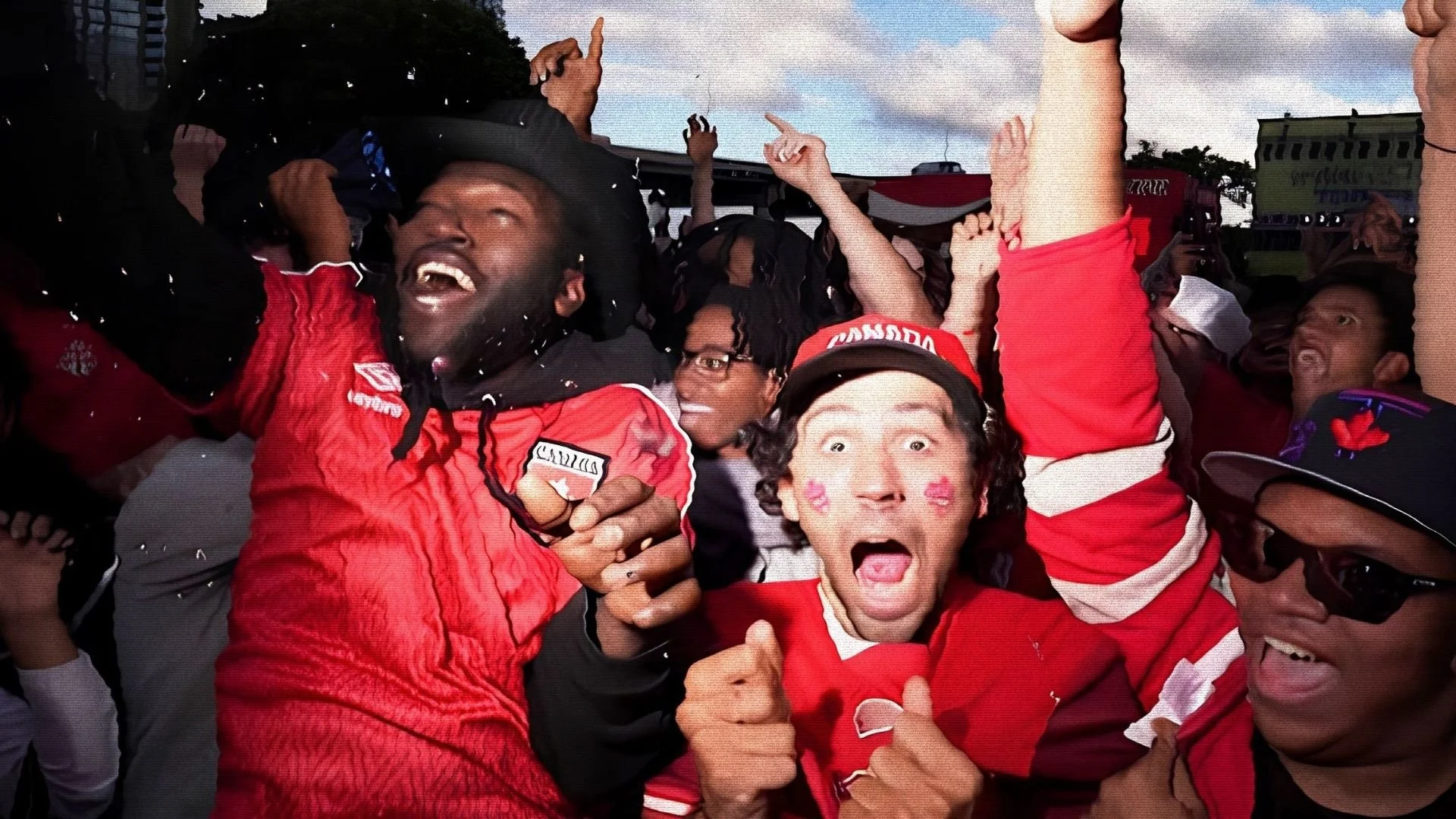
The FIFA World Cup is one of the most-watched events on the planet. It brings billions of people together, transcending borders, languages, and cultures. But its impact extends far beyond the pitch. A growing body of research and expert opinion suggests that major sporting events like the World Cup can be a powerful force for collective mental health and well-being.
From providing a much-needed break from daily stress to fostering social connections and a sense of belonging, the World Cup offers a unique opportunity to boost our psychological well-being. Here's why.
Social Connection and Community
Perhaps the most significant mental health benefit of the World Cup is its ability to foster social connection.
Humans are wired for community, and large-scale events like this create a powerful sense of shared identity and belonging.
Research shows that people who follow sports—especially together—report higher life satisfaction and less loneliness than those who don't. The World Cup provides a "community self," which is a necessary component of a healthy self-identity. When you cheer for the same team, you are instantly part of an "in-group" with millions of others.
This sense of belonging is a powerful protective factor for mental health, associated with lower rates of depression, anxiety, and loneliness.
A Break from Daily Stress
Life is full of pressure. The World Cup offers a valuable, and often much-needed, break from routine stressors. For a few weeks, the focus shifts from work, bills, and worries to the drama of the beautiful game. This provides a form of mental relief that is vital for well-being.
This is particularly significant for men, who often carry a heavy burden of responsibility as providers and fathers. Major tournaments like the World Cup create a moment to reconnect with friendship, laughter, and community.
Experts note that what appears like simple entertainment often becomes something deeper, functioning as a space for emotional processing. It gives people a reason to gather, laugh, argue, and celebrate together.
A Safe Space for Emotional Release and Communication
The World Cup provides a socially acceptable outlet for intense emotions. Whether it's the joy of a goal, the agony of a loss, or the stress of a penalty shootout, the tournament encourages a full range of emotional expression.
This can be a healthy form of catharsis and stress relief.
For many, especially men, football provides a language to connect with others. It is often easier to talk about a match than personal struggles, but that shared focus can naturally open deeper conversations about work, relationships, and life. This creates a safe space where vulnerability is easier, and conversations flow without the pressure of direct interrogation.
Satisfaction of Basic Psychological Needs
A landmark study published in BMC Psychology in 2024 found that involvement in the World Cup—even as a spectator—was significantly and positively correlated with "flourishing," a comprehensive indicator of mental health.
The study applied the Basic Psychological Need Theory (BPNT), which identifies three core needs for well-being: relatedness (feeling connected), autonomy (feeling in control), and competence (feeling effective).
Excitingly, the researchers found that being a spectator was not only associated with satisfying the need for relatedness (as expected), but it also showed significant associations with autonomy and competence satisfaction.
This suggests that even passively engaging with the World Cup can meet core psychological needs, ultimately contributing to greater mental well-being.
A Note of Caution
While the World Cup can be a tremendous boost to mental health, it is important to be mindful of potential risks. High-stakes matches can also increase negative feelings like anger and stress. Unhealthy behaviours, such as heavy drinking, poor food choices, sleep disruption, and gambling, can negate the positive effects and harm well-being.
Making It Work For You:
To ensure the World Cup has a net positive impact on your mental health, consider these tips:
Make it social: Watch with friends, family, or a community group
Watch what you eat and drink: Choose healthier snacks and moderate alcohol intake
Stay active: Use halftime to move, stretch, or go for a walk
Manage stress: Take a break if a game gets too intense
Connect, don’t just consume: Use the tournament as a reason to talk to others about things beyond the game
The FIFA World Cup is far more than just a sporting event. It is a unique global phenomenon that can heal, connect, and inspire. By understanding and harnessing its mental health benefits, we can all enjoy a more positive and meaningful experience of this beautiful game.
Whatever it is, we’re here for you.
Life is uncertain. Jobs are stressful. Parenting is hard. Relationships take work. Families can be dysfunctional. And sometimes, love hurts. When you’re confronted by feelings, events, or issues that are making your life challenging, it’s okay to ask for some help.
RESOURCES
Columbia University Irving Medical Center Can Watching the World Cup Boost Your Well-Being?
Orapuh Institute FIFA World Cup 2026 and Public Health
OUCI Can watching the World Cup make you mentally healthier?
