
Planting Seeds of Intention
A Gentle Approach to Mental Health Growth
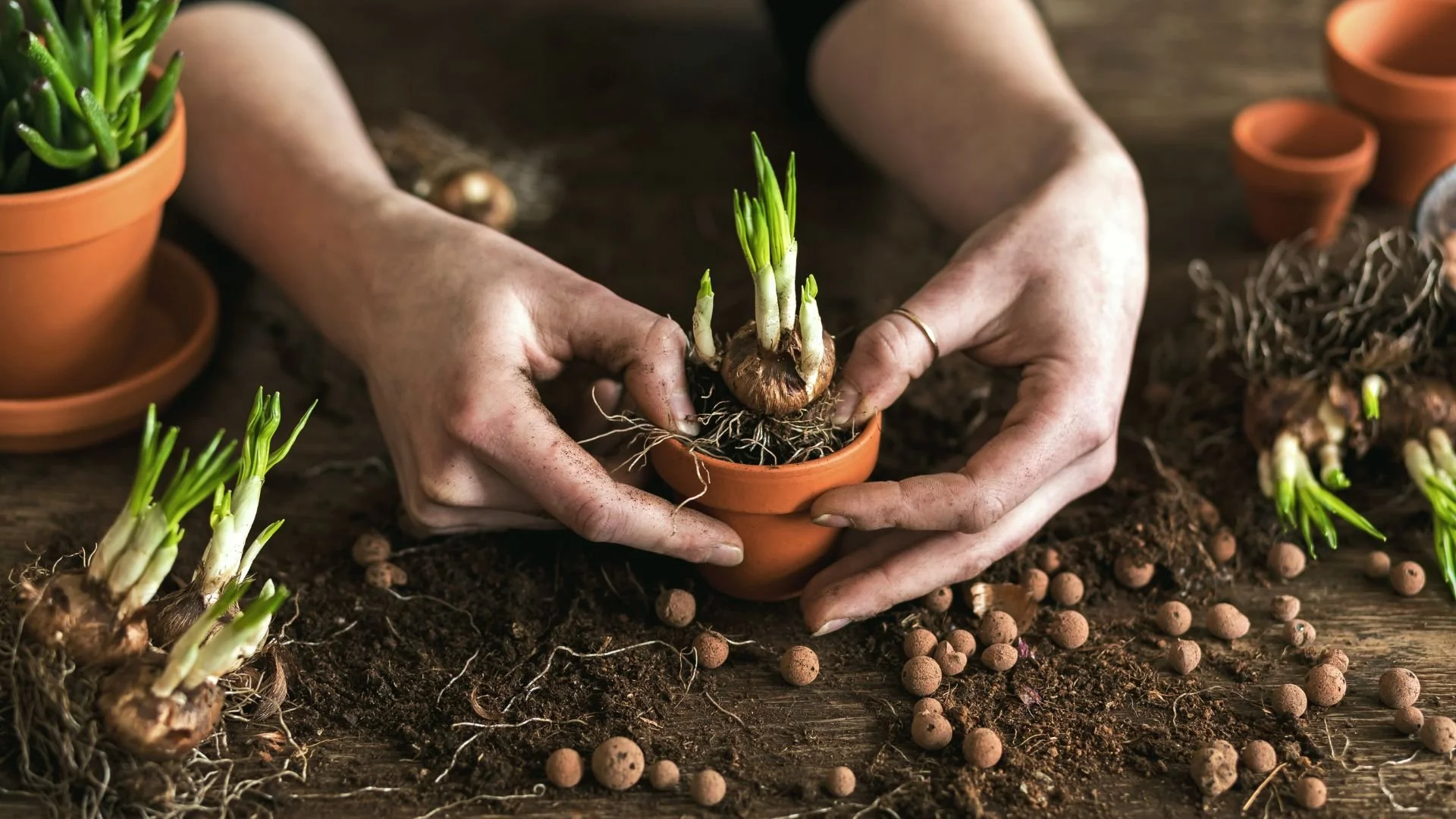
We often mistake slow growth for no growth.
Imagine a gardener. She does not plant a seed one afternoon and return the next morning expecting a fully bloomed flower. She knows better. She understands that growth happens beneath the soil first—invisible, slow, requiring patience. She waters. She waits. She trusts the process.
In our mental health journeys, we often forget this wisdom. We plant a seed of intention—I want to feel less anxious, I want to be more present, I want to heal—and then we are frustrated when we don't see immediate results. We often mistake slow growth for no growth. We interpret the quiet work happening beneath the surface as failure.
This week, as part of our "Hello Spring" series on refreshing your mental health, we explore the practice of planting seeds of intention. It is an invitation to shift from rigid resolutions to gentle intentions, from demanding immediate blooms to nurturing the small habits that will, in time, transform your inner landscape.
The Difference Between Intentions and Goals
At first glance, intentions and goals may seem similar. Both point toward something you want to create in your life. But their energy is fundamentally different.
Goals are about outcomes.
They are specific, measurable, time-bound. I will meditate for ten minutes every day. I will attend therapy every week for three months. I will reduce my anxiety by the end of the year. Goals have their place—they help us structure our efforts and track progress. But they can also become rigid, leaving little room for the natural messiness of being human. When we miss a goal, we may feel shame, inadequacy, or the urge to give up entirely.
Intentions, on the other hand, are about direction, not destination.
They are gentle compasses rather than strict maps. An intention might sound like: I intend to be more present with my emotions. I intend to treat myself with kindness when I struggle. I intend to make space for rest. Intentions are not about perfection or completion. They are about how you want to show up for yourself, again and again, regardless of whether you "succeed" on any given day.
Think of it this way: a goal says, "I will run a marathon by October." An intention says, "I will move my body in ways that feel good and honour my capacity." Goals measure outcomes. Intentions cultivate relationships—with yourself, with your healing, with the process.
The Problem with Rigid Resolutions
Many of us have been conditioned to approach mental health improvement with the same framework we use for productivity: set a goal, create a plan, execute, measure, adjust. But this framework often backfires when applied to the messy, non-linear reality of emotional well-being.
Rigid resolutions tend to:
Ignore the natural fluctuations of mood, energy, and capacity
Create shame when we inevitably fall short of perfection
Focus on outcomes we cannot fully control
Discount small, incremental progress
Lead to all-or-nothing thinking (if I can't do it perfectly, why bother?)
The result? We abandon our intentions before they have a chance to take root. We decide that because we missed one day of journaling, the practice is worthless. We conclude that because we still feel anxious after weeks of effort, something is wrong with us.
But the garden does not demand perfection from its seeds. It simply offers the conditions for growth and trusts the process.
Cultivating Patience with Progress
Patience is one of the most underrated skills in mental health. We want relief now. We want clarity now. We want to feel better yesterday. And in our urgency, we can miss the subtle, cumulative shifts that are actually happening.
Patience with progress means:
Accepting that healing is not linear. You will have good days and hard days. Both are part of the journey.
Trusting that small, consistent actions add up, even when you cannot see the results.
Letting go of the timeline you imagined and opening to the timeline that is.
Celebrating effort, not just outcomes.
Remembering that rest is not regression.
When you plant a seed, you do not dig it up every day to check if it has grown. You water it. You ensure it has light. You wait. Your mental health practice deserves the same patient trust.
The Power of Micro-Habits for Sustainable Change
One of the most effective ways to plant seeds of intention is through micro-habits—tiny, almost laughably small actions that require minimal effort but, repeated over time, create profound change.
The key to micro-habits is lowering the barrier enough that you cannot say no. Not because you are forcing yourself, but because the action is so small that resistance feels unnecessary.
Consider these examples:
Instead of "meditate for twenty minutes daily," start with "take three conscious breaths before getting out of bed."
Instead of "journal every evening," start with "write one sentence about how I'm feeling today."
Instead of "go to the gym four times a week," start with "put on my walking shoes and step outside."
Instead of "practice gratitude every day," start with "name one thing that was okay about today."
These micro-habits may seem insignificant on their own. But they are seeds. They establish a pattern of showing up for yourself. They build trust. And over time, they often grow organically into larger practices—not because you forced them, but because the foundation was solid.
How to Plant Your Own Seeds of Intention
This week, consider trying this gentle practice:
Step One: Get Clear on Your Intention
Ask yourself: How do I want to feel? How do I want to show up for myself? Not what should I achieve, but what kind of relationship do I want to cultivate?
Examples: I intend to be more gentle with myself. I intend to notice my emotions without judging them. I intend to make space for rest without guilt.
Step Two: Choose One Micro-Habit
Identify one tiny action that aligns with your intention. Make it so small that it feels almost too easy.
Example: If your intention is to be more gentle with yourself, your micro-habit might be: "When I notice self-criticism, I will place my hand on my heart and take one breath."
Step Three: Anchor It to an Existing Routine
Attach your micro-habit to something you already do daily. This is called habit stacking. For example: "After I brush my teeth, I will take three conscious breaths."
Step Four: Practice Without Pressure
There is no perfection here. If you miss a day, you have not failed. You simply begin again. The seed is still in the soil. It has not been destroyed by one missed watering.
Step Five: Notice Without Judging
At the end of the week, reflect: What did I notice? Not what did I achieve, but what did I observe about myself, my patterns, my capacity? Let this noticing be data, not evaluation.
What Blooms in its Own Time
You may not feel different after one week of micro-habits. You may not see visible change after one month. This does not mean nothing is happening. Beneath the surface, roots are forming. New neural pathways are being strengthened. Trust is being built between you and yourself.
The most profound transformations often arrive quietly, after long periods of seemingly small, unremarkable effort.
The person who has been practicing three conscious breaths each morning for a year is not the same person who began. Something has shifted. Something has bloomed. But that bloom was prepared by countless invisible days of patient tending.
This spring, as the world around you begins to green and grow, consider what seeds you want to plant in the soil of your own mind and heart. Not grand resolutions that demand immediate blooms. Not rigid goals that leave no room for the natural messiness of being human. Just small, gentle intentions. Just micro-habits, watered with patience and trust.
You are not a project to be completed. You are a garden to be tended. And the most beautiful gardens are those that have been cared for slowly, kindly, over time.
What is one small seed of intention you will plant this week?
Whatever it is, we’re here for you.
Life is uncertain. Jobs are stressful. Parenting is hard. Relationships take work. Families can be dysfunctional. And sometimes, love hurts. When you’re confronted by feelings, events, or issues that are making your life challenging, it’s okay to ask for some help.
