
GUEST ARTICLE: The Kinesiophobia Trap: How Fear of Movement Can Slow Recovery After an Injury
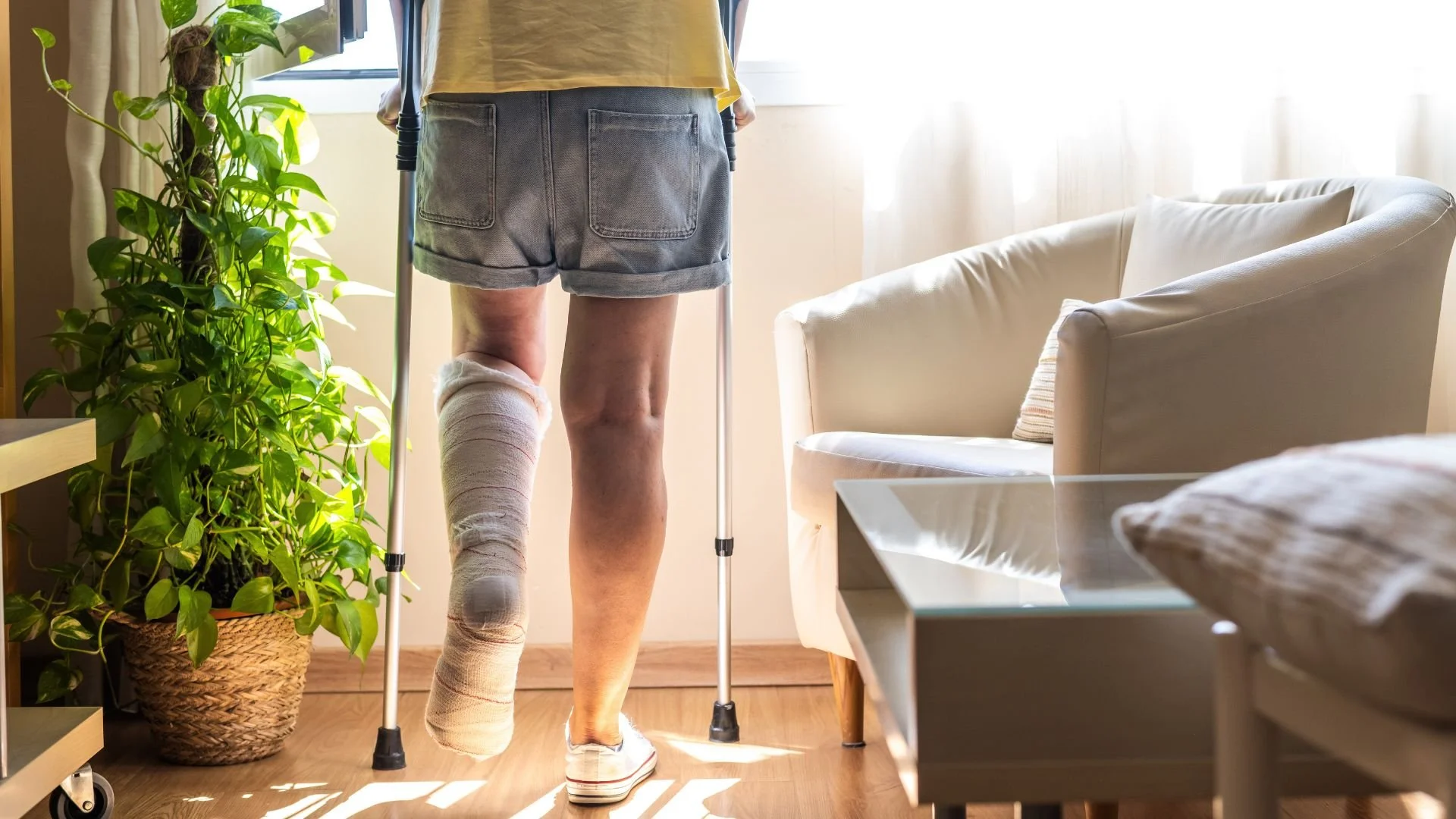
Whether it’s a car accident, workplace injury, sports injury, or fall, recovering from a traumatic physical injury involves much more than repairing damaged tissues. While bones, muscles, and ligaments often heal on a predictable timeline, the brain can continue to perceive movement as a threat long after the body has begun to recover.
You might notice yourself hesitating before bending down, avoiding certain movements, or feeling anxious about returning to activities you once did without thinking. Even if you have been told your injury is healing well, the fear of experiencing that pain can feel overwhelming. This response is not a sign of weakness — it’s your brain doing exactly what it was designed to do: protect you from danger.
This experience is known as kinesiophobia, or the fear of movement resulting from a belief that physical activity could cause pain or re-injury. For many people, this is an unconscious response that develops after trauma, making it difficult to fully engage in rehabilitation or return to everyday life. Left unaddressed, this fear can become a barrier to both physical and emotional recovery.
Understanding how the brain responds to injury is an important step toward breaking this cycle. By combining evidence-based physiotherapy with psychological support, it is possible to help both the body and mind regain confidence in movement, allowing recovery to move forward together.
What Is Kinesiophobia?
Kinesiophobia is the medical term for an excessive or persistent fear of movement due to the belief that physical activity will cause pain or lead to another injury. While this is commonly associated with chronic pain, it can also develop after a traumatic event such as a motor vehicle accident, workplace injury, surgery, or a serious fall.
Kinesiophobia can look different from person to person. Some people consciously avoid activities they believe could cause another injury, while others develop more subtle protective habits, such as:
● Hesitating before bending, lifting, or reaching
● Tensing muscles before certain movements
● Avoiding stairs, uneven ground, or exercise
● Limiting how far they move a joint
● Withdrawing from hobbies or activities they once enjoyed
● Feeling anxious before movements that used to be routine
Over time, these protective behaviours can become automatic, making it difficult to distinguish between what the body can’t do and what the brain believes it shouldn’t do.
The most important thing to understand is that people with kinesiophobia are not pretending, nor exaggerating their symptoms. The fear is real because the brain has learned to associate movement with danger.
In other words, this fear is not a personal failure or lack of willpower. In reality, it is a protective response that has become overly cautious. While this response is designed to keep us safe while our body and mind are healing, it can sometimes continue long after it is needed. This prevents people from fully participating in rehabilitation, and slowing their return to the activities that support recovery.
Addressing kinesiophobia is not about ignoring or pushing through the pain. The goal is to help the brain gradually recognize that movement can be safe again, allowing confidence to grow along with physical healing.
How Trauma Changes the Brain’s Threat Detector
Our brains are constantly scanning for potential threats. This built-in survival system helps us respond quickly to danger, like instinctively pulling our hand away from a hot stove. After a traumatic injury, however, this threat-detection system can become more sensitive as the brain works to prevent the same experience from happening again.
During a traumatic event, the brain forms strong connections between the injury, the pain it caused, and the movements or situations surrounding it. For example, someone who injured their back while lifting a heavy box may begin to associate bending or lifting with danger. A person recovering from a car accident may become anxious every time they get behind the wheel or even ride as a passenger. These associations are part of the brain’s natural learning process, but they do not always disappear once the body is done healing.
As a result, the brain may continue sending protective signals whenever it detects something that resembles the original injury. Those signals can include:
● Muscle tension or guarding
● Increased pain sensitivity
● A racing heart or heightened anxiety
● Feeling stiff or hesitant
● Avoiding certain movements altogether
While these reactions can feel like the body is still injured, they are often the nervous system responding to a perceived threat rather than an actual one.
This does not mean that the pain or fear is “only in your head.” Pain is a real experience created by the brain in response to information it receives from the body and the surrounding environment. After trauma, the nervous system may become more protective, interpreting safe movements as potentially harmful even when the tissues have largely recovered.
When the Body Heals Faster Than the Brain
Physical healing and psychological recovery don’t always happen at the same pace. In many cases, muscles, tendons, ligaments, and bones recover within weeks or months. Strength gradually returns, inflammation calms down, and medical imaging may show that the injury has healed as expected. But, many people still hesitate to move, exercise, or return to normal life because something does not feel safe.
When movement continues to be avoided, another challenge can emerge. Muscles become weaker, joints become stiffer, and everyday activities begin to feel more difficult. This is not necessarily because the original injury is worsening, rather because the body is not moving as confidently as before.
This creates the fear-avoidance cycle:
● Injury or pain occurs.
● The brain begins to associate movement with danger.
● Fear leads to avoiding certain movements or activities.
● Reduced movement causes weakness, stiffness, and loss of confidence.
● Movement becomes uncomfortable.
● The brain interprets this as confirmation that movement is unsafe.
Over time, this cycle can make recovery feel as though it has stalled, even when healing is actually progressing.
Breaking this cycle is not about ignoring pain or forcing yourself through the discomfort. Dealing with kinesiophobia means rebuilding confidence in movement, so the nervous system learns that everyday activities can be performed safely again.
Helping the Brain Feel Safe Again
Recovering from kinesiophobia requires more than simply waiting for time to pass. Just as the body benefits from progressive strengthening after an injury, the brain also benefits from gradual, positive experiences with movement.
Physiotherapists often use graded exercise and carefully planned rehabilitation programs to help patients rebuild strength while restoring confidence. Instead of avoiding movements completely, activities are reintroduced slowly, allowing the nervous system to experience movement without reinforcing fear.
For some people, especially those recovering from a traumatic injury or accident, psychological support can also make a meaningful difference. Anxiety, post-traumatic stress, catastrophic thinking, or fear of re-injury can all influence how safe movement feels. Working with a counsellor can help individuals process the emotional impact of their injury, develop coping strategies, and reduce the anxiety that often accompanies physical recovery.
Rather than treating separate problems, physiotherapy and counselling often complement one another. One helps restore physical function, while the other helps address the emotional and psychological barriers that may be limiting recovery.
Moving Forward With Confidence
Recovering from an injury is a process that involves both the body and the mind. Physiotherapy can help restore strength, mobility, and confidence in movement, while counselling can provide valuable support in addressing the fear, stress, or emotional impact that may follow a traumatic experience.
If fear of movement is affecting your recovery, you don’t have to navigate it alone. A collaborative approach that addresses both your physical rehabilitation and mental well-being can help you rebuild trust in your body and take meaningful steps toward returning to the activities you value.
Whatever it is, we’re here for you.
At HealthMax Physiotherapy Clinicsand Peachey Counselling, we believe that lasting recovery considers the whole person, not just the injury. With the right support, you can move forward with greater confidence, resilience, and a renewed sense of connection with your body.
Book a physiotherapy consultation with HealthMax to assess personalized rehabilitation and movement-based care designed to help you rebuild strength, improve mobility, and regain confidence in your body.
Book a consultation with Peachey Counselling to receive support in processing the emotional impact of trauma, managing anxiety of fear, and developing strategies to support your overall well-being throughout your recovery.
This blog was written by: Dr. Venous Salehi, Partner and Chiropractor (DC)
Dr. Venous Salehi is a Doctor of Chiropractic at HealthMax Physiotherapy Clinics with over 15 years of specialized experience in motor vehicle accident (MVA) rehabilitation. A graduate of the Canadian Memorial Chiropractic College and the University of Waterloo, she is an expert in navigating the Statutory Accident Benefits Schedule (SABS) and Independent Medical Evaluations (IME). Dr. Salehi is dedicated to evidence-based care, combining manual therapy and exercise prescription to help patients recover from complex musculoskeletal injuries.
You can find out more about HealthMax Physiotherapy Clinics at the links above or by visiting their Instagram page: @healthmaxphysio.
