
The AI Dilemma: Navigating Fear, Curiosity and Uncertainty
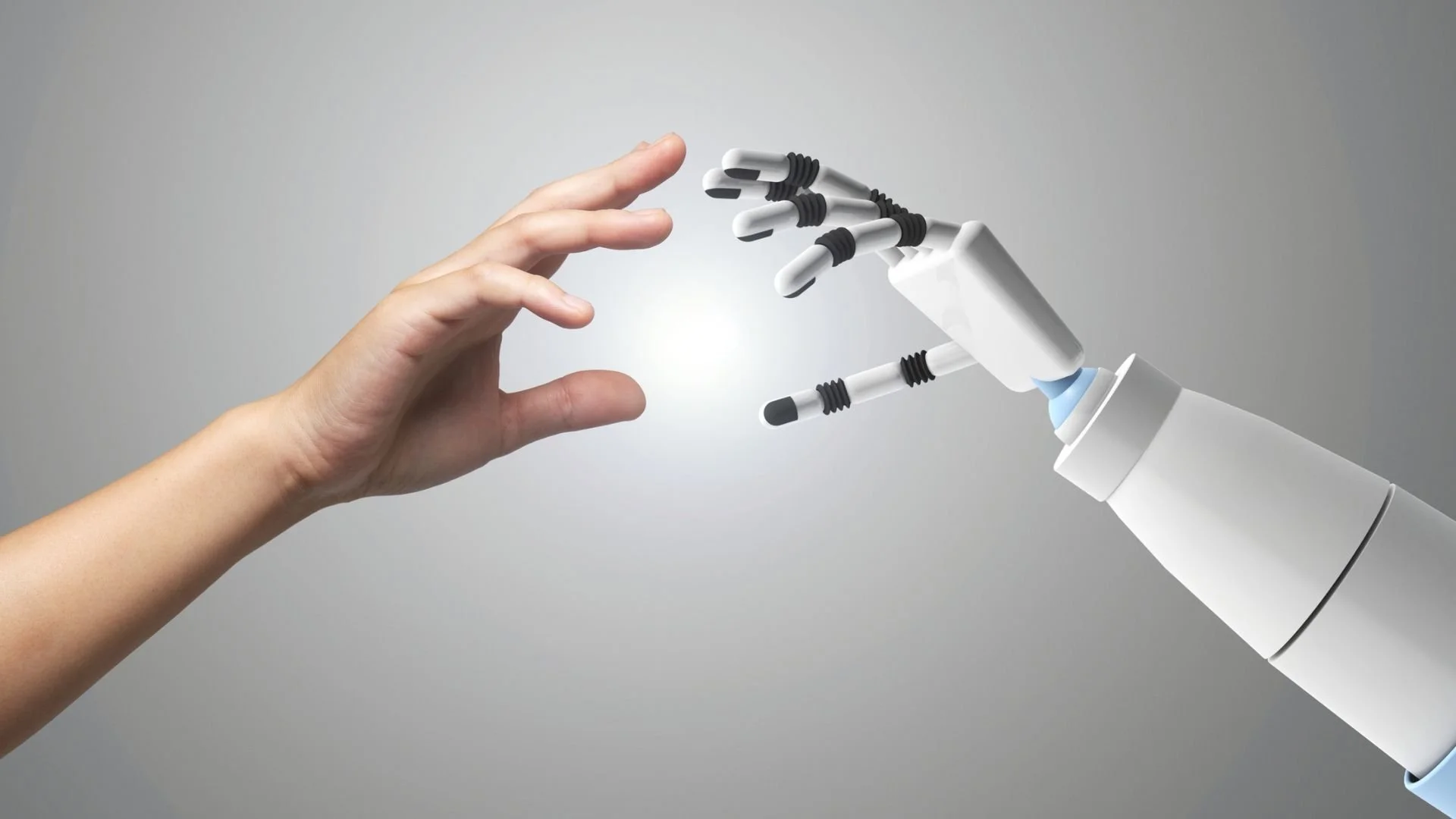
Artificial intelligence is no longer a distant concept. It is in our phones, our workplaces, our classrooms, and increasingly, our therapy rooms. It writes our emails, generates our images, and answers our questions. For many Canadians, it also keeps us up at night.
A recent poll found that while Canadians are using AI more than ever, 60 per cent now see it as a threat.
That tension—between curiosity and fear, between utility and unease—is the defining psychological experience of this technological moment.
This post explores the very real anxiety Canadians feel about AI through a series of scenarios. Each one reflects a different demographic, a different fear, and a different path toward managing the uncertainty.
Understanding the Psychological Impact of AI
Before we meet our scenarios, it helps to understand why AI provokes such a strong emotional response.
The Canadian Mental Health Association (CMHA) has noted that AI is increasingly being integrated into mental health care, offering potential benefits such as increased access to support and reduced barriers to care. However, the organization also acknowledges the risks—including concerns about privacy, the quality of AI-driven interventions, and the potential for AI to replace human connection at a time when genuine connection is already in short supply.
Writing in Psychology Today, researchers explore how the rise of AI affects our sense of self. When machines can write, paint, compose, and converse, what happens to our sense of purpose and identity? The article suggests that AI can amplify feelings of inadequacy, obsolescence, and existential dread—particularly for those whose livelihoods or identities are tied to skills that AI appears to replicate.
These are not abstract concerns. They are lived realities for Canadians across the country. Let us meet a few of them.
The Young Graduate
Who: Maya, 24, is a recent journalism graduate living in Toronto. She is passionate about storytelling and has spent years honing her craft. She is also unemployed, drowning in student debt, and watching entry-level writing jobs disappear as newsrooms adopt AI tools.
Her Fear: "I did everything right. I got the degree. I built a portfolio. And now I'm competing with a machine that can write faster than me and never asks for a salary. What is the point of me?"
Maya's fear is not just about employment. It is about identity. She has always defined herself as a writer. If AI can write, who is she?
The Psychological Impact: Maya is experiencing what psychologists call "anticipatory grief"—mourning a future she thought she would have. She is also grappling with a sense of meaninglessness, a core symptom of depression. The rapid pace of change has left her feeling like she is running a race she cannot win.
Strategies for Managing the Fear:
Name what you can and cannot control. Maya cannot stop AI from being adopted. But she can control how she adapts, where she invests her energy, and how she defines her worth.
Focus on what makes you human. AI can generate text, but it cannot build trust, listen with empathy, or bring lived experience to a story. Maya's value is not just in her output—it is in her perspective.
Talk about it. Isolation amplifies anxiety. Maya could join a support group for young creatives or speak with a therapist about her fears.
Limit doomscrolling. The constant stream of AI news can be overwhelming. Setting boundaries around news consumption can reduce anxiety.
The Mid-Career Professional
Who: David, 47, is an accountant in Calgary. He has built a stable career over two decades. He is a partner at his firm, a father of two, and the primary breadwinner in his family. Recently, his firm announced it would be integrating AI software to handle routine tax preparation.
His Fear: "I've spent my whole life building this career. Now I'm being told that a machine can do 80 per cent of my job in a fraction of the time. What happens to me? What happens to my family?"
David's fear is deeply practical. It is about financial security, professional relevance, and the ability to provide for his children. It is also about ego—the uncomfortable realisation that expertise he has spent years acquiring may become obsolete.
The Psychological Impact: David is experiencing chronic stress, which can manifest as irritability, sleep disruption, and difficulty concentrating. He is also at risk for depression, as the loss of professional identity is a significant risk factor for men in midlife.
Strategies for Managing the Fear:
Separate the threat from the unknown. David knows AI will change his industry. He does not know if it will eliminate his role. Catastrophising the unknown makes anxiety worse. Focusing on what is known can bring clarity.
Invest in irreplaceable skills. AI can crunch numbers. It cannot build client relationships, navigate complex ethical dilemmas, or provide strategic judgment. David can double down on the human elements of his work.
Seek support. The CMHA emphasizes that AI in mental health care should augment, not replace, human connection. The same applies to workplace support. David could speak with a career counsellor or a therapist about his anxiety.
Talk to your family. Sharing fears with a trusted partner or friend can reduce the isolation that often accompanies professional uncertainty.
The Anxious Parent
Who: Priya, 38, is a mother of two in Mississauga. Her children, aged 9 and 13, are growing up surrounded by AI tools—from homework helpers to generative art apps. Priya is worried about what this means for their development, their social skills, and their future.
Her Fear: "I don't know what world my kids are going to inherit. Will they learn to think for themselves, or will they just let AI do everything? Will they be lonely because they don't know how to connect with real people?"
Priya's fear is about control. She cannot shield her children from technology, and she worries that the values she is trying to instil will be drowned out by the influence of machines.
The Psychological Impact: Priya is experiencing parental anxiety, which can lead to hypervigilance, guilt, and a sense of helplessness. The CMHA notes that AI can offer benefits in mental health care, such as increased access to support. Still, the pressure on parents to navigate this new terrain is real and often unacknowledged.
Strategies for Managing the Fear:
Model curiosity, not fear. Children absorb their parents' emotions. When Priya approaches AI with curiosity rather than dread, she teaches her children to do the same.
Set boundaries that reflect your values. She can limit screen time, prioritise in-person connection, and create family rituals that do not involve technology.
Have open conversations. Instead of lecturing, Priya can ask her children what they think about AI. What do they like? What worries them? This builds trust and critical thinking.
Seek community. Other parents are navigating the same challenges. Joining a parent group or speaking with a family therapist can provide validation and support.
The Retiree
Who: Robert, 71, is a retired teacher living in Victoria. He has always prided himself on being self-sufficient. Recently, he has felt increasingly alienated by a world that seems to run on technology he does not understand.
His Fear: "I feel like I'm being left behind. Everything is AI this, chatbot that. I don't know how to keep up, and I'm starting to feel like I don't matter anymore."
Robert's fear is about relevance and belonging. He is not afraid of AI per se—he is afraid of becoming invisible in a world that increasingly values speed and efficiency over wisdom and experience.
The Psychological Impact: Robert's experience is one of social disconnection, a significant risk factor for depression and cognitive decline in older adults. The CMHA emphasizes the importance of human connection in mental health, and Robert is at risk of losing that.
Strategies for Managing the Fear:
Focus on what you bring. Robert's wisdom, patience, and perspective are irreplaceable. He can find new ways to share these gifts—mentoring, volunteering, or simply being present for his grandchildren.
Learn at your own pace. He does not need to master AI. He just needs to feel competent in his own life. Small, manageable steps—like learning to video call or use a simple app—can build confidence.
Stay connected. Isolation amplifies fear. Robert can join a community group, a senior centre, or a peer support network.
Talk about it. The CMHA notes that stigma prevents many people from seeking help. Robert can challenge that by sharing his feelings with a trusted friend or a counsellor.
The Activist
Who: Aiyana, 32, is an Indigenous climate activist in Winnipeg. She is deeply concerned about the environmental impact of AI—the data centres, energy consumption, the water usage, the e-waste. She is also concerned about the existential threat of AI, particularly the warnings from experts about the risks to humanity.
Her Fear: "We're already in a climate crisis, and now we're building machines that consume massive amounts of energy and could one day surpass our control. It feels like we're racing toward extinction."
Aiyana's fear is rooted in a broader existential dread. She is not just afraid of AI—she is afraid of what AI represents: a system that prioritizes speed, profit, and technological advancement over the well-being of people and the planet.
The Psychological Impact: Aiyana is experiencing eco-anxiety and existential dread, both of which can lead to feelings of hopelessness, helplessness, and burnout. Experts at McGill University have warned about the risks AI poses to humanity, and these warnings can amplify the anxiety many people already feel.
Strategies for Managing the Fear:
Channel fear into action. Aiyana can focus on what she can influence—advocating for responsible AI development, supporting Indigenous-led technology initiatives, and participating in community organising.
Find community. Activism can be isolating. Connecting with others who share her concerns can provide validation and solidarity.
Practice grounding. When the fear becomes overwhelming, Aiyana can use breathing exercises, meditation, or time in nature to regulate her nervous system.
Set boundaries. She cannot carry the weight of the world. Limiting news consumption, taking breaks from activism, and prioritizing rest are essential for sustainability.
General Strategies for Managing AI-Related Anxiety and Fears
Across all scenarios, several themes emerge. Here are practical strategies for anyone navigating AI-related fear:
Name your fear. Vague anxiety is harder to manage than specific fear. Ask yourself: What exactly am I afraid of? Losing my job? Losing my identity? Losing connection?
Distinguish between what you know and what you are telling yourself. Anxiety often fills the gaps with worst-case scenarios. Focus on what is known and actionable.
Limit your intake. You do not need to read every article about AI. Set boundaries around news consumption and social media.
Stay connected. Isolation amplifies fear. Reach out to friends, family, or a therapist.
Focus on agency. What can you control? Your actions, your responses, your values. Lean into those.
Seek professional support. If anxiety is interfering with your daily life, consider speaking with a mental health professional.
A Final Thought
The rise of AI is not just a technological shift. It is a psychological one. It asks us to confront questions about identity, purpose, and what it means to be human in a world that increasingly mimics humanity.
For many Canadians, this is genuinely frightening. But you do not have to face it alone. By naming your fears, connecting with others, and focusing on what you can control, you can navigate this uncertainty with greater resilience and clarity.
Whatever it is, we’re here for you.
Life is uncertain. Jobs are stressful. Parenting is hard. Relationships take work. Families can be dysfunctional. And sometimes, love hurts. When you’re confronted by feelings, events, or issues that are making your life challenging, it’s okay to ask for some help.
REFERENCE SOURCES:
CMHA More people in Canada are using AI as a mental health care tool, but are we ready for it?
Psychology Today The Rise of AI and Its Impact on Mental Health
Knowledge Institute Technology use and AI
CBC News Could AI really ‘kill all humans’?
McGill University Newsroom Experts: Is AI a threat to humanity?
Business in Vancouver Canadians are using AI more but 60% now see it as a threat, poll says
